

A few days ago, I received an email after an online summit with the headline:
"The Summit is over. Most participants will forget 80% of it by next week."
Whether the exact number is 80%, 70%, or something else is not what caught my attention.
What caught my attention was the question behind it.
Why do some learning experiences, strategy sessions, leadership retreats, and team offsites create lasting change while others seem to fade the moment people return to work?
Most leaders have experienced both.
The strategy session where everyone leaves energized, aligned, and excited about the future.
The retreat where difficult conversations finally happen.
The conference where new ideas spark fresh thinking and hope for new connections.
The workshop where people walk away committed to doing things differently.
And yet a few days later, many teams find themselves pulled back into the day-to-day demands of the business. The energy that felt so real in the room begins to fade.
So I decided to dig deeper into the research on memory, learning, and behavior change.
While researchers debate the exact percentages people forget, the overall pattern is remarkably consistent. Learning fades when it is not reinforced, revisited, discussed, or applied.
As I looked at the research, I became less interested in how much people forget and more interested in what keeps learning alive.
Here is what stood out.
People are more likely to forget when:
They don’t apply what they learned and connect it to real challenges. (The number one reason you, the leader, ask for data and reports.)
They consume too much information at once (confrences/summits).
Learning happens in isolation - They don't discuss or reflect on it with others.
They don't revisit it over time. There is no accountability.
The more I looked at that list, my attention shifted from learning to what I see with clients who come to me frustrated that their strategy sessions, team assessment sessions, leadership offsites, or team retreats all share the same experience: great energy in the room, yet nothing changes.
It applies to almost every important conversation organizations invest time and money creating. Because what kills momentum is often the same thing that kills learning.
The absence of reinforcement, reflection, accountability, and ongoing meaningful conversation with peers in the team and across teams.
Then I looked at what helps people remember and, more importantly, what helps people act.
People are more likely to follow through when they:
Apply ideas quickly.
Reflect on them.
Discuss them with others.
Connect them to real challenges.
Hear different perspectives.
Revisit commitments over time.
Receive feedback.
Create accountability.
Learn through relationships and shared experiences.
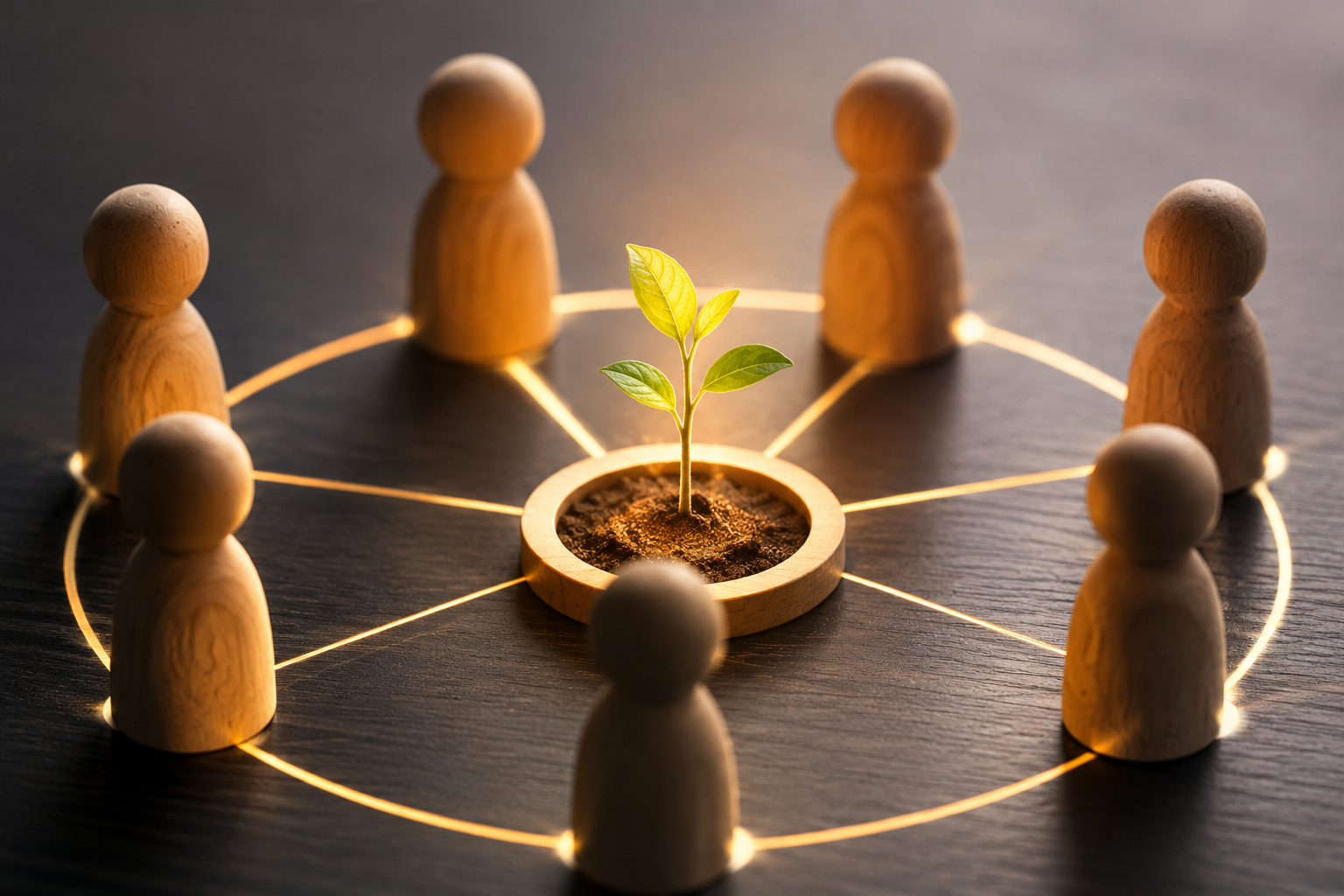
This is where peer experiences become so powerful.
When leaders explore real challenges with their peers, learning becomes relevant and creates the connection missing when we discuss abstract ideas. People feel invested and curious to learn from each other; suddenly, the space expands as we hear from leaders in the room when they say to a peer: “I didn’t realize that’s what you feel.”
When teams reflect together, ideas become clearer.
When peers revisit commitments, accountability becomes part of the process.
When peers have accountability partners and the team holds each other accountable, the team sees progress.
Perhaps the question is not how much people forget after a strategy session, retreat, conference, or workshop.
Perhaps the better question is:
What are we doing to keep the learning, commitments, and conversations alive once everyone goes back to work?
